From a training house to a business of their own – a helping hand for young entrepreneurs in Mozambique!
On the road in Africa with the chairman of the International Egg Foundation
Packed with almost all the essential nutrients, eggs are a true superfood. Most importantly: they are affordable and can be produced almost anywhere in the world with a bit of know-how and a manageable investment. However, there are places where even these basic resources are lacking. This is where the International Egg Foundation (IEF) comes in.
Combating malnutrition together with partner companies from the industry and the “superpower” of eggs – that is the mission the IEF has set itself. In low-income regions, the foundation supports projects specifically designed to boost local egg production so that more people can have access to eggs. Big Dutchman is by their side as a partner right from the start.
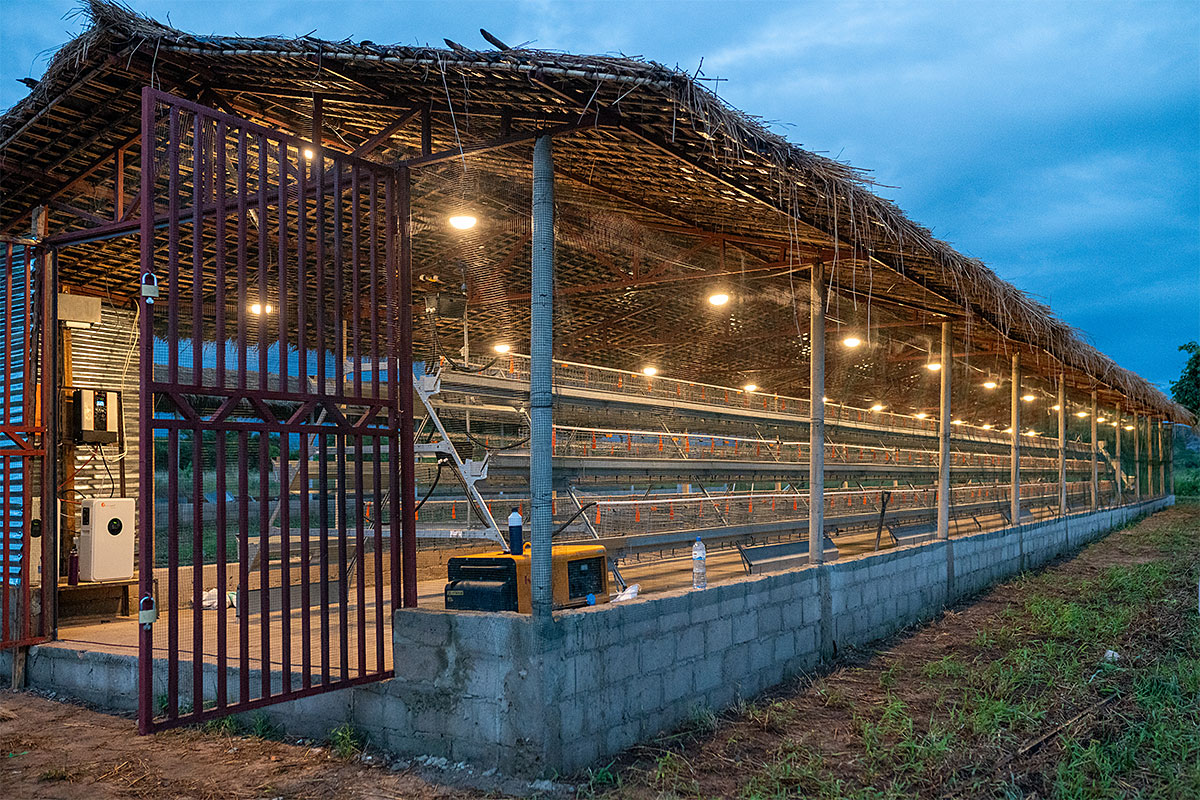
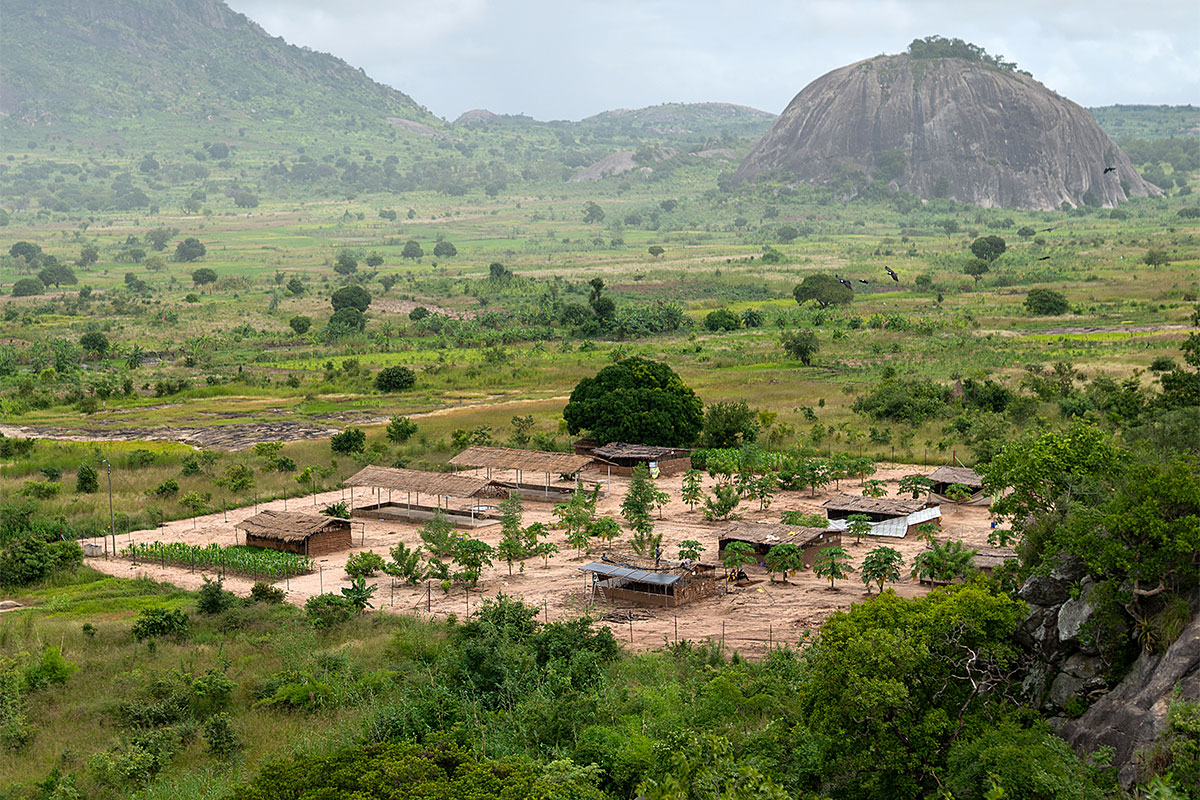
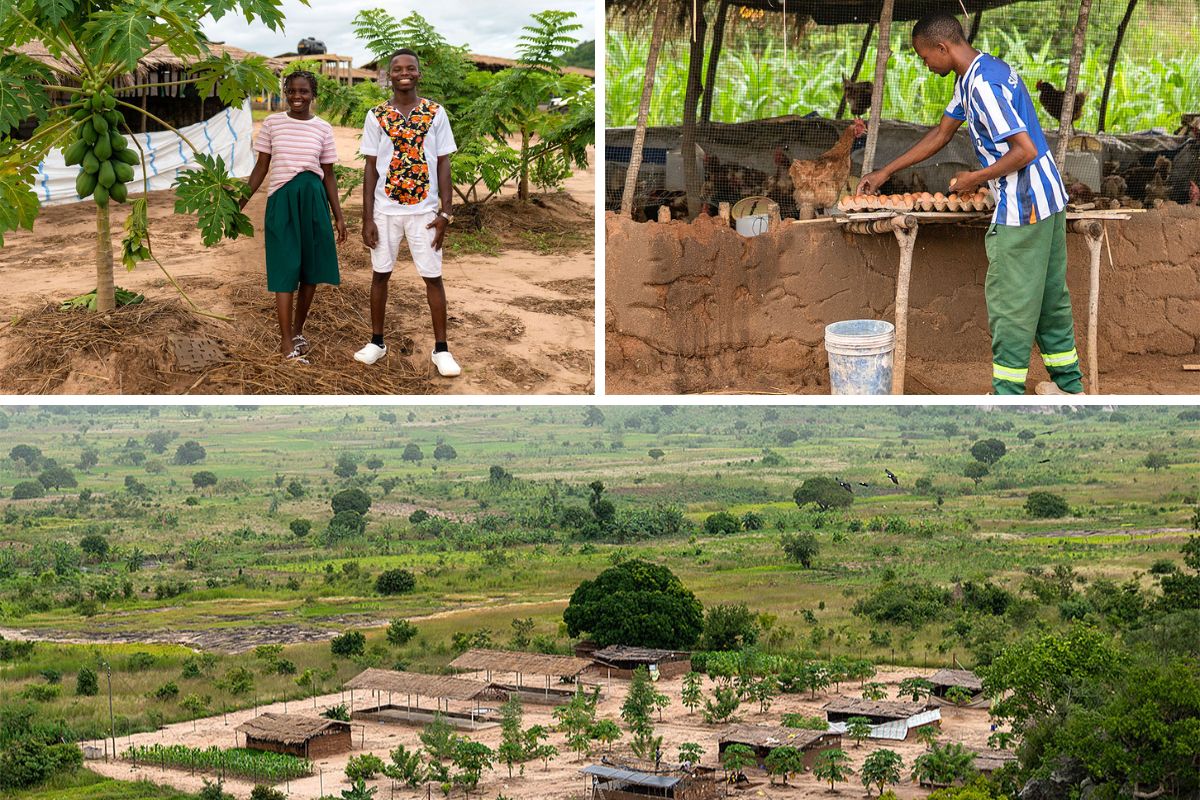
Together with Leon Höft from the sales team and Bruce Doyeema, Chairman of the IEF, Big Dutchman colleague Maike Stölting visited two of the joint projects. First stop: Ebenezer Agricultural College in north-eastern Mozambique. Here, young Mozambicans learn the basics of egg production on the job. Thanks to Big Dutchman and the IEF, they can now do so in a brand-new training house.

Bruce the hen whisperer
7 o’clock in the morning in the Rapale district, just north of the town of Nampula: it’s very quiet in the new training house of the Ebenezer Agricultural College today. “They’re exhausted from the short night,” says Bruce as he expertly checks the hens’ feed pans. “Too full,” is the verdict.
“The hens need smaller portions spread throughout the day and one large meal in the evening,” he explains to the students. The last feed of the day has a significant impact on the quality of the eggshell. “If it’s very hot, the birds won’t have an appetite during the day, so you need to make sure they eat enough early in the morning and late in the evening.”
Around 2,000 layers moved into the first of the four new training houses the evening before. It was also a special day for the students. So far, they had been looking after ten small sheds housing around 400 hens and about six times as many broilers. Their poultry training centre has now been given a major expansion: four new poultry houses for a total of 5,000 laying hens. Equipped with Big Dutchman systems.
These systems are new territory for the students. That is why the first item on the agenda is a briefing from expert Bruce – who, in addition to chairing the IEF, is himself a poultry farmer and the owner of a small egg production empire in the USA.
Healthy birds
“To start with, always remember the FLAWS rule: food, light, air, water and sanitation. “Sufficient feed, light, air, water and hygiene are the foundation for the hens’ well-being and productivity,” Bruce tells the students. “A trained eye comes with time.”
Everyone starts small – Bruce feels it’s important to emphasise that. He grew up on a poultry and cattle farm himself. “When I was 13, I asked for twelve chickens of my own for my birthday,” says Bruce. He received 24 and has since taken over his parents’ farm, turning it into a large-scale business with several million layers. Through his work at the IEF, he aims to share his expertise and support people who lack the necessary start-up assistance. “Egg production systems require a slightly higher initial investment, but you’ll spend less time looking after the hens,” explains Bruce.
Students earn the start-up funding for their own business during their two-year course at Ebenezer College. They sell eggs and meat produced at the college at local markets. The proceeds are deposited in a savings account and paid out once the students have completed the training.
Mozambique
It’s a great opportunity for the young men and women, aged between 18 and 25, who have grown up in one of the world’s poorest countries. A large proportion of the population relies on subsistence farming, yet their livelihoods are repeatedly threatened by extreme weather events such as droughts or cyclones. Malnutrition is widespread. The average per capita consumption of eggs is 10 per year. By way of comparison: in the US, annual per capita consumption is 290 eggs.
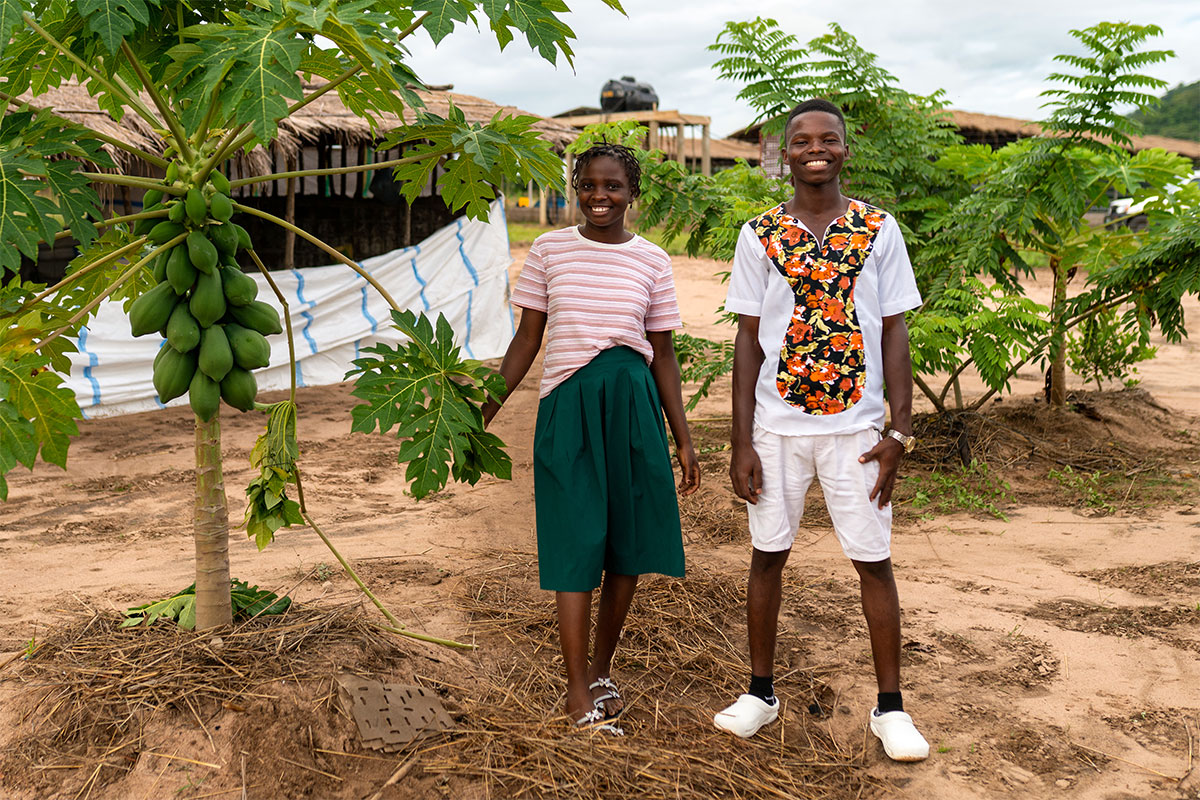
Rosa and Aurelio secured two of the 50 coveted places at the college. They left their families to undertake their training and moved to Rapale, to the grounds of the agricultural college. Six days a week, they receive free intensive training and learn the basics of farming. Free board and lodging are included.
Life at college
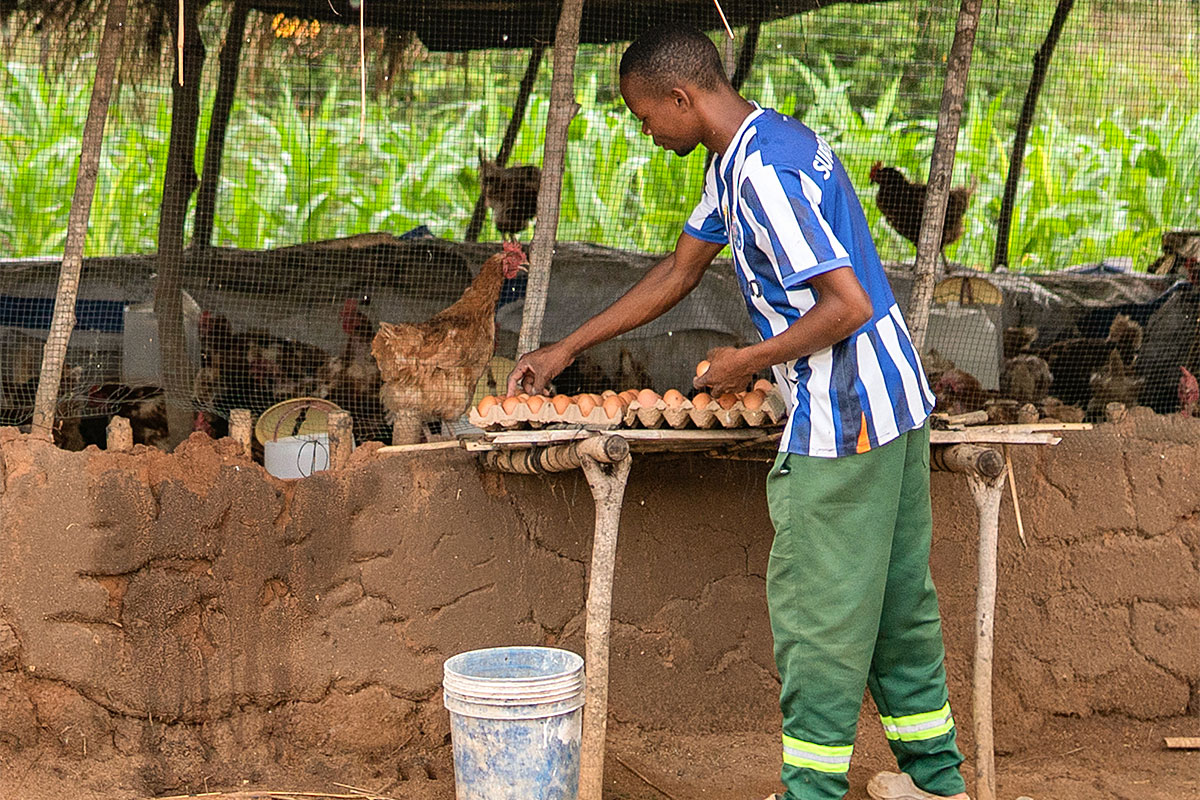
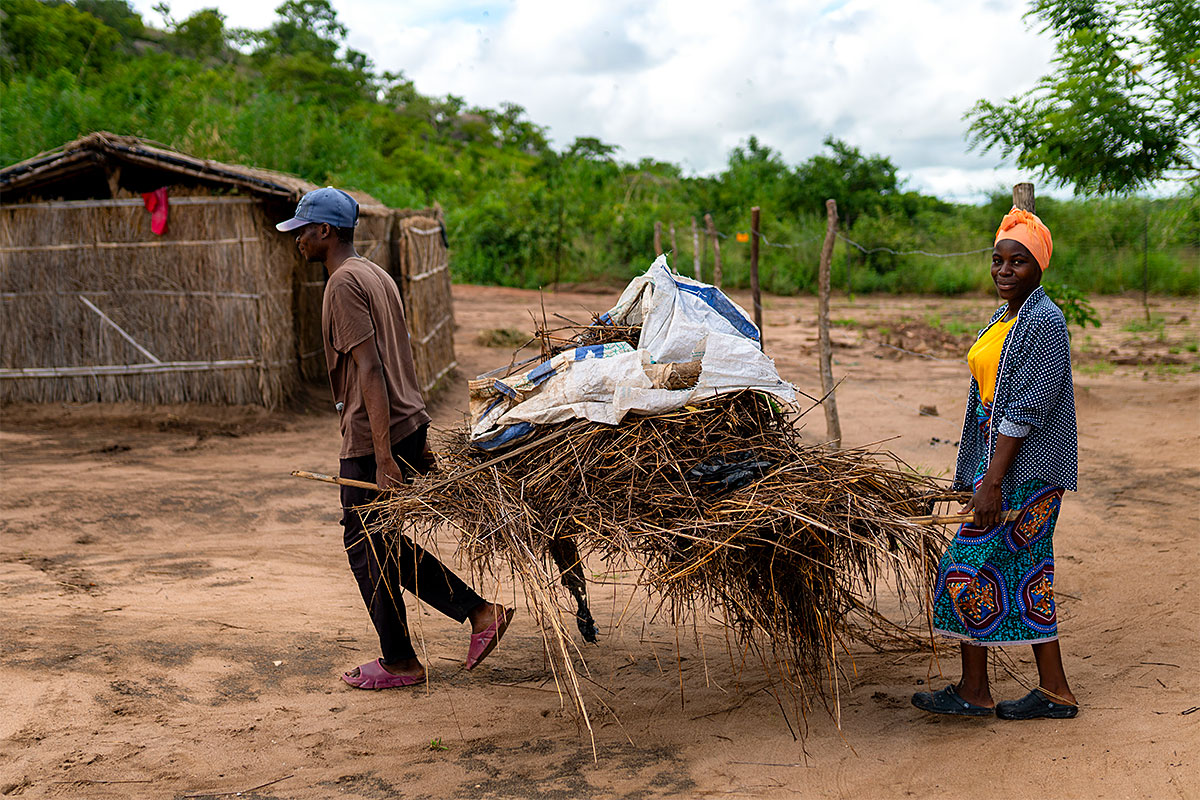
The mornings are devoted to practical training – this includes manure removal, sorting eggs and checking on the hens. In the afternoon, the students receive three hours of theory lessons. In addition to poultry production and vegetable farming, “entrepreneurship” is also on the timetable.
“The students learn how to set up a sustainable and cost-effective production system using simple methods so they can earn a living,” says Bruce.
The future
Rosa, one of the students, already has a clear idea of what she wants to do after her training: “After college, I want to set up a profitable business raising laying hens, so that I can not only support myself and my family, but also produce on a commercial scale.” Student Aurelio is still a bit undecided, but one thing is certain for him: “I definitely want to pass on what I’ve learnt here to other people in my community.”
There is one lesson that both of them have already taken to heart, thanks in part to Bruce: Small farmers can grow into major entrepreneurs.
To be continued…