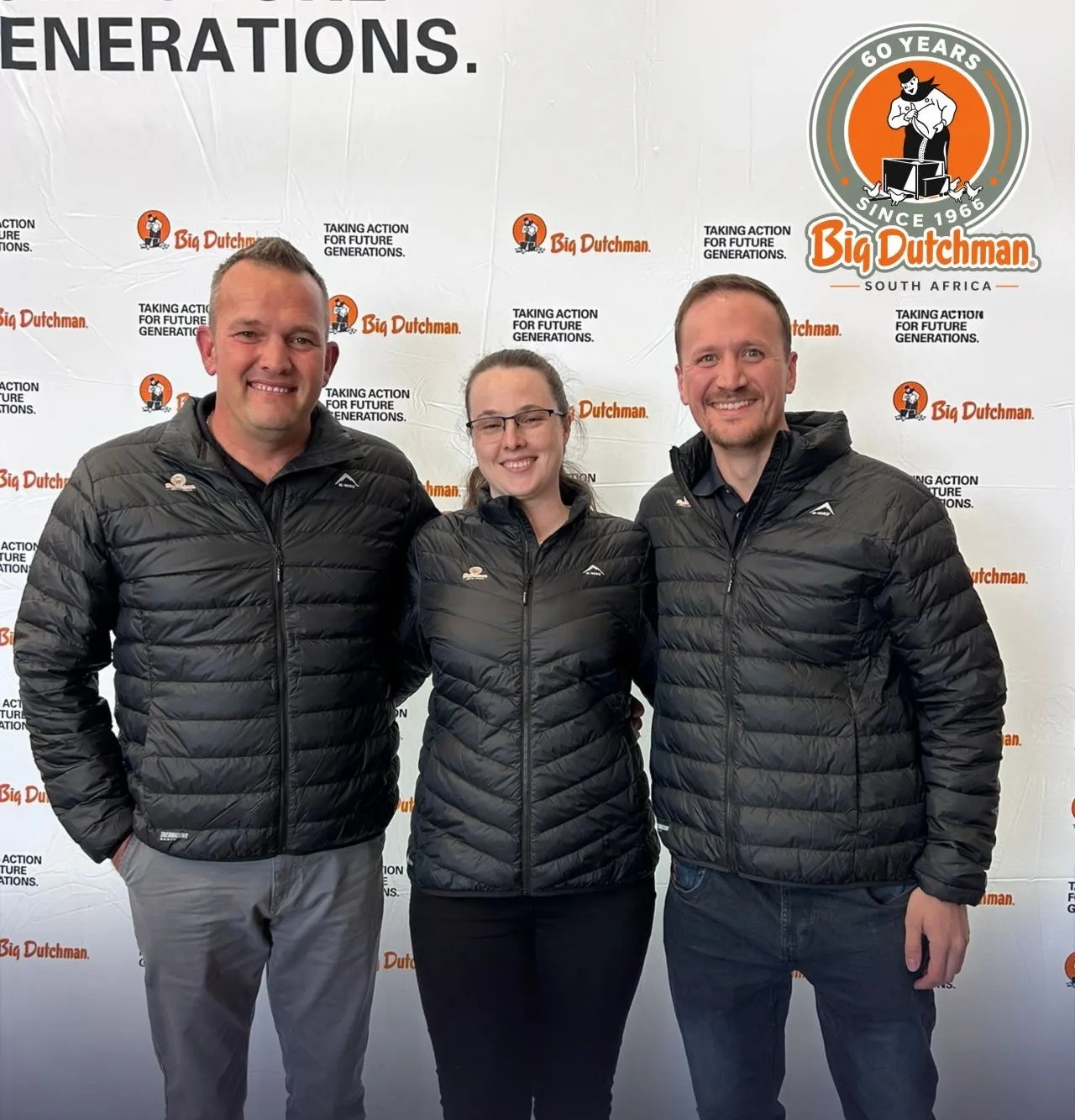
"Sixty years means generations of farmers have grown up with us."
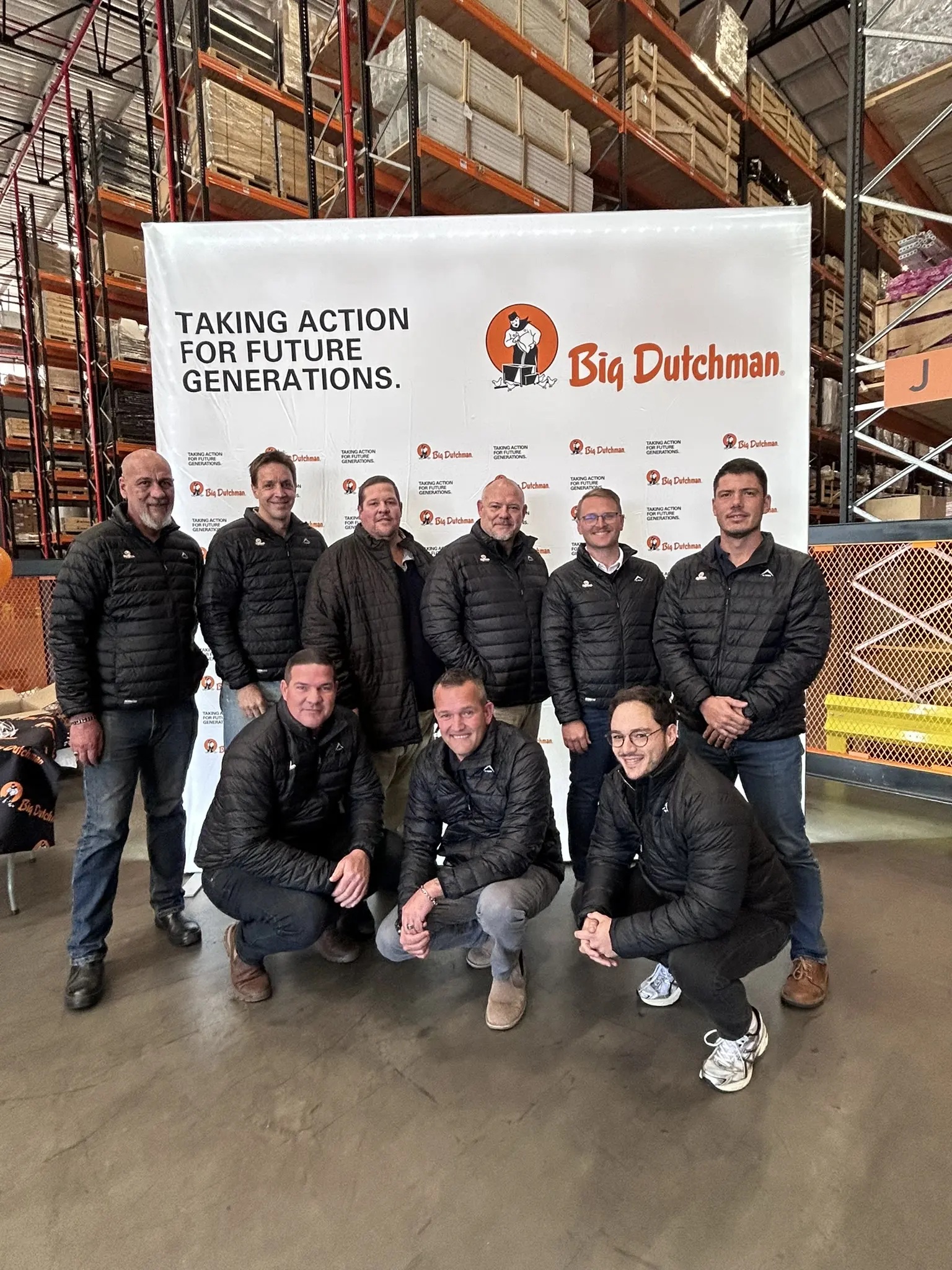
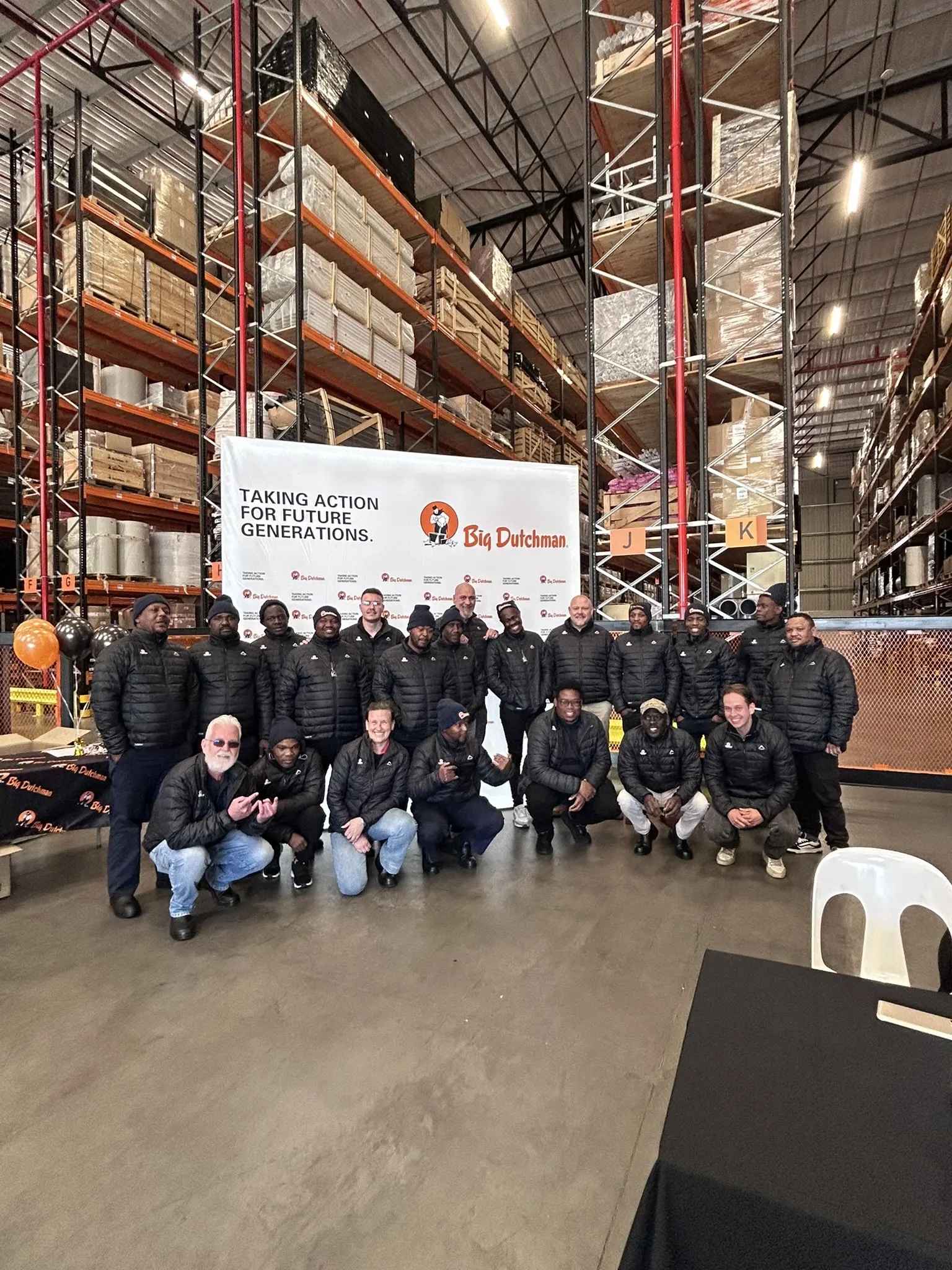
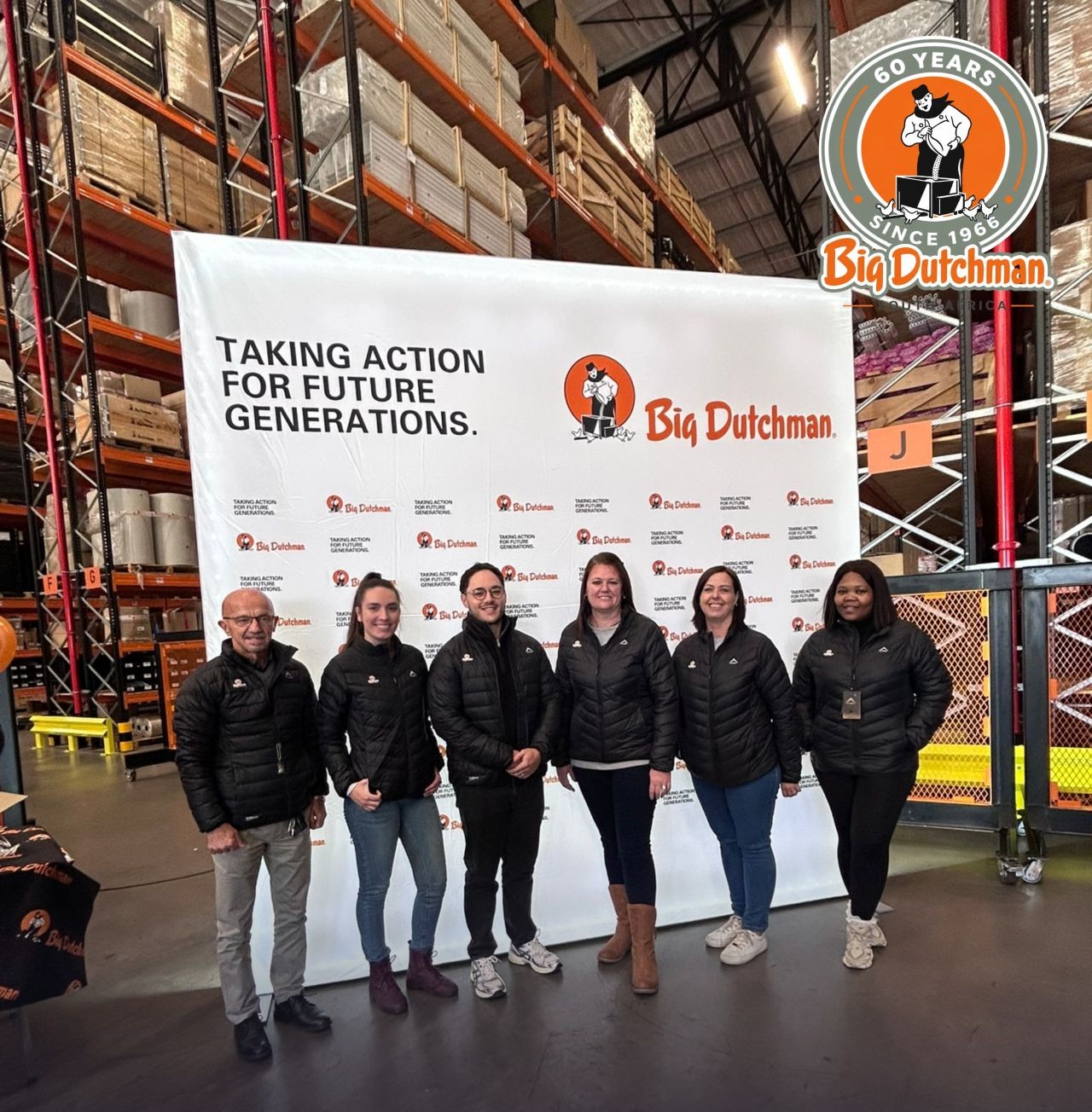
Big Dutchman South Africa turns 60!
Six decades of Big Dutchman South Africa: It all started in 1966 with a small team of 12. Today, more than 50 BD colleagues based in Johannesburg support a total of twelve countries in Sub-Saharan Africa, from Angola to Zimbabwe. The region is home to around 1.3 billion people - by 2050, the population will exceed 2.3 billion.
Together with Alistair Rawstorne, Managing Director of Big Dutchman South Africa, we take a closer look at the 60-year history of BD South Africa and the strategic importance of our “heart in Africa.”
Alistair: It makes me stop and think about how few businesses actually get here. Sixty years means generations of farmers have grown up with us. There are customers we deal with today whose fathers and grandfathers bought from Big Dutchman, and that is not something you can manufacture or shortcut. You earn it one delivery, one installation, one honest conversation at a time.
For me personally it is a reminder that none of this is about any individual. I am a custodian of something that a lot of people built long before I arrived, and plenty of them are no longer around to see this milestone. The anniversary belongs to them as much as anyone sitting in the building today. What I take from it is a responsibility to keep the standard where they set it, and to leave the business stronger than I found it for whoever comes next.
Alistair: The starting point is 1966 itself. Being the oldest international subsidiary in the Big Dutchman group is not a small thing, and it tells you that somebody looked at this part of the world very early and decided it mattered. That decision shaped everything that followed.
Establishing our own local presence rather than operating purely as an importer was the next foundation, because it meant we could hold stock, service equipment and answer the phone when a farmer had a problem at four in the morning. Building our technical and installation capability here in South Africa changed us from a supplier into a partner.
Our move into the rest of the region was another turning point, and it has long since become simply how we operate. We are active in twelve sub-Saharan countries today, and that reach took years of patient work to build.
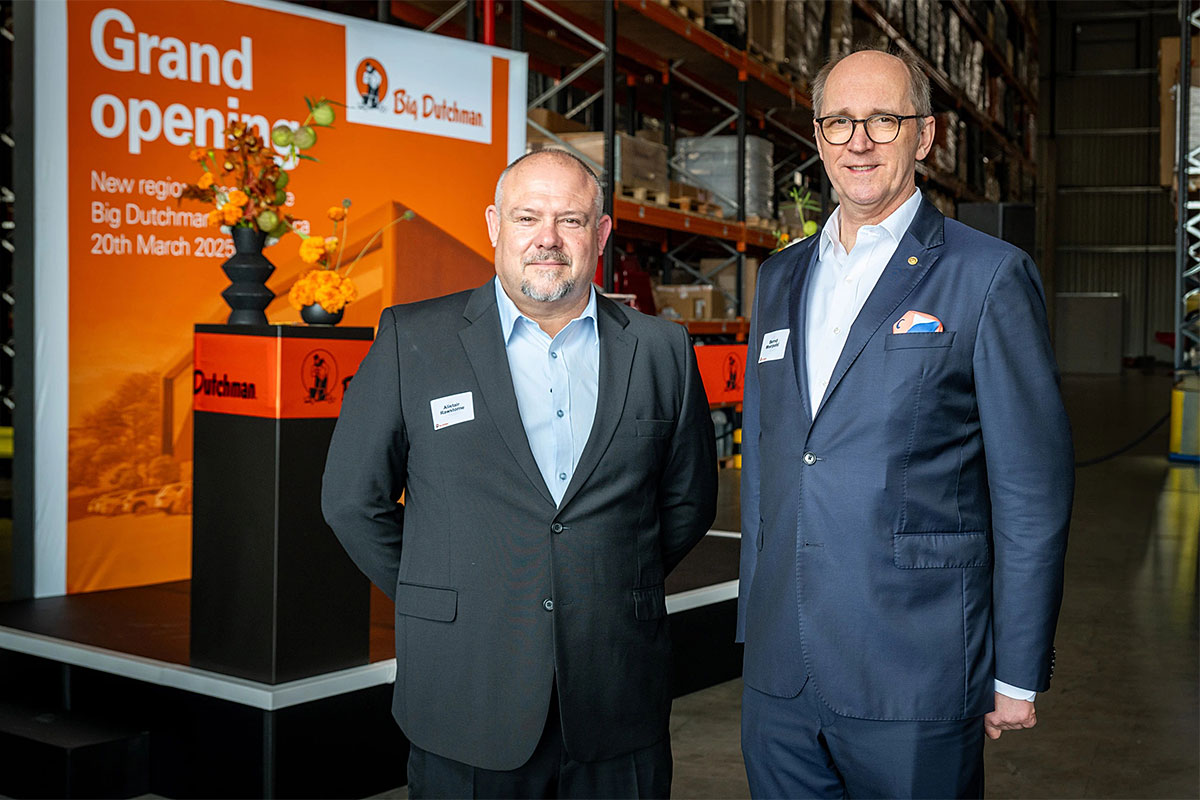
The most recent milestone is our new headquarters at Gosforth Park. We moved in during 2024 after a very long stretch in Edenvale, and while that site served us well, we had outgrown it. Nine thousand square meters, a proper logistics center, open-plan offices, space to host customers the way we want to. The official opening brought more than two hundred guests, which said a great deal about how the group views this market. It was not just a bigger building. It was a statement of intent, and the timing meant we came into our sixtieth year on the front foot.
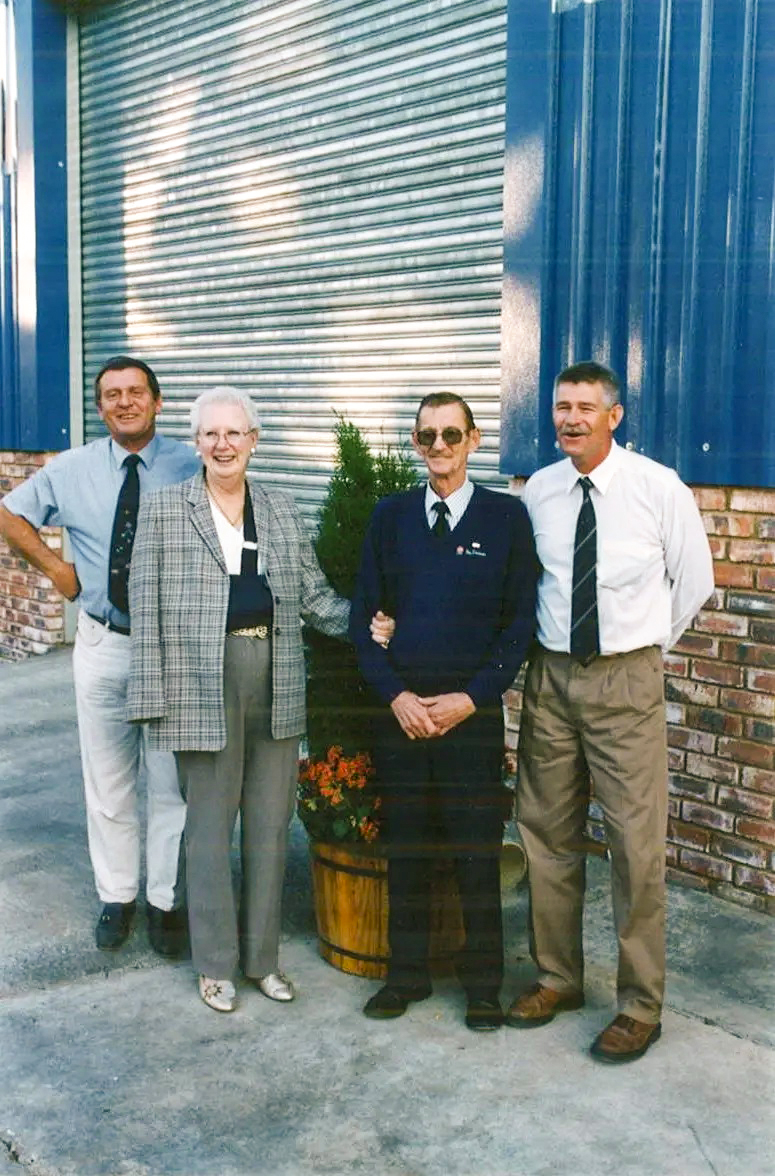
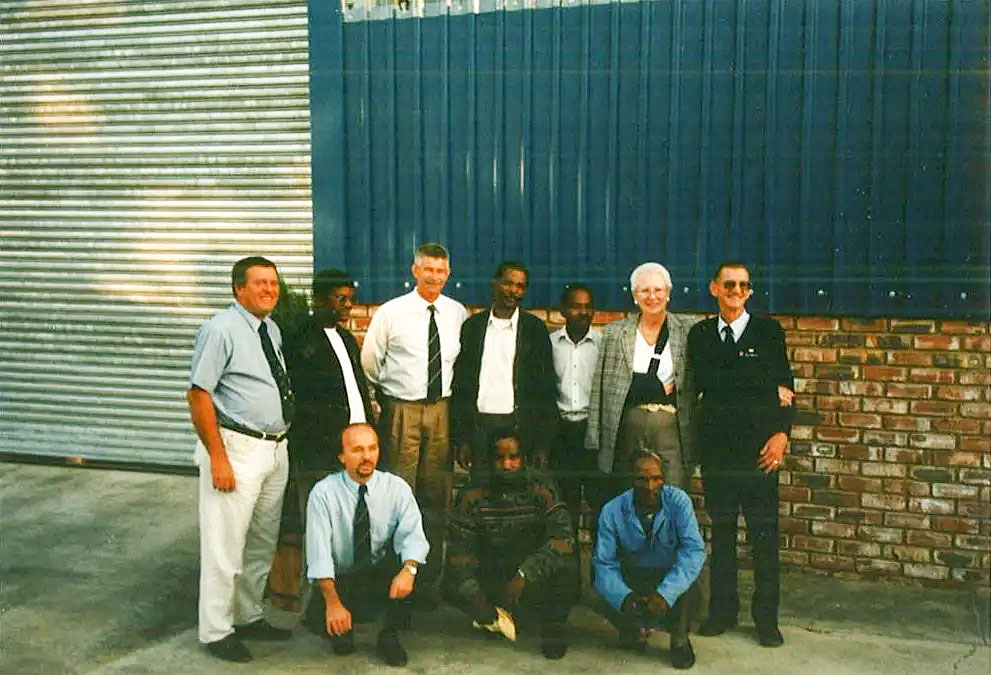
Alistair: Partly it is the history. 60 years of continuous operation in this environment gives you a kind of institutional memory that cannot be bought. But mostly it is the market itself. Our customers range from large commercial integrators to farmers running a few houses, spread across territories where infrastructure and logistics are not a given. That forces you to be practical. You cannot sell a system and walk away.
Farming here has always taken resilience. From the first pioneers who established farms in the bushveld to the farmers dealing with today's challenges, "'n boer maak 'n plan" has never been more relevant. Working alongside people like that teaches you something. We understand how to make world class technology work in the real world, and that knowledge travels well into other emerging markets.


Alistair: They are the whole thing, honestly. Equipment can be copied. Prices can be matched. What cannot be copied is a team that knows your farm, remembers the last conversation and will get in a bakkie at short notice because something has gone wrong. We have people here who have spent the better part of their careers with us and who farmers ask for by name. That continuity is worth more than any product catalogue.
The move to Gosforth Park mattered here too. Better facilities, better amenities, departments closer together, and a building the team can be proud to bring a customer into. People do better work when the environment says the company takes them seriously. My job is mostly to make sure they have what they need and then get out of the way.
Alistair: Africa's protein demand is going in one direction, and the farms being built now are bigger, more automated and more data driven than anything we saw twenty years ago. That plays to our strengths. We already have the footprint and the relationships across twelve countries, so the opportunity is less about entering new markets and more about growing with the customers we have as they scale up. The new facility gives us the platform to do that properly.
Beyond that, the real opportunity is in efficiency and in doing more with what a farm already produces. Sensors, climate computers and farm management software let a farmer see problems before they become losses. Turning by-products into revenue streams instead of costs is another area with real room in it. Farming is deeply personal and it lasts for generations, so our job is to make sure the next generation inherits something that works better than what came before. Innovation breeds success, and I think the next sixty years will prove that out.